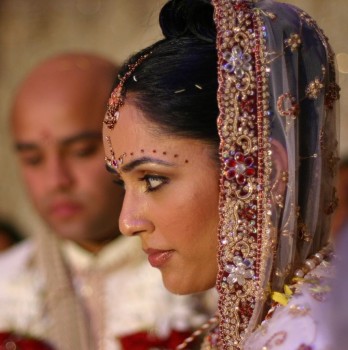
In many ways young diaspora South Asians are no different to other young people.
Many of those from the second and third generation listen to the same music, wear the same clothes and have the same interests and ambitions as their non-Asian peers, perhaps complemented with some cultural penchants like Bollywood movies, Bhangra and South Asian cricket. Whilst this might make the life experience of young diaspora Asians richer and more varied, they also have to balance the demands of living in cultures which sometimes conflict with each other.
Asian families are generally conservative and may disapprove of things considered the norm for other young people. Balancing traditional home lives with the demands of living in a secular culture with different values and priorities can be a struggle. For many South Asian parents the main goal in life is to see their children educated and married, so they can have a secure future. While some are successful, encouraged by their parents’ support and sacrifice, others get bogged down by the pressure and can feel like failures in the eyes of, not only their parents, but the extended family too.
Religion tends to play a more important role in the lives of young Asians than it does for most other young people. Many see it as part of their identity and even if they do not regularly practice their religion, it can have an influence on big issues in their lives, such as the choice of marriage partner. Some young Asians choose to publicly assert their religious identity, even if the prevailing culture is secular. The most obvious example is that of young Muslims, with many more young women in the West wearing the hijab than just a few years ago. Partly as a response to this, some second and third generation young Asians are also choosing to identify themselves by their religion.