Identity is important for everyone. Most of us question at some point who we are and why we are here.
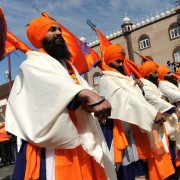
For diaspora communities their South Asian identity is often bound up with ethnicity, culture and religion.
These are important factors for many people, but tend to take on more significance for those who are away from their country of origin or who belong to a minority ethnic group. The simple question ‘where are you from?’ can cause angst. Is it a polite question asking where you live? Are they implying that you’re not from here because of your ethnicity? Or is it simply because they’re interested to hear about your ethnic origins?
“It’s particularly complicated if you’re on holiday. When people ask where I’m from, I feel like I need to give an explanation of my answer ‘England’ in response to their confused expressions.”
For the South Asian diaspora, ethnic, religious and cultural identity can be a way of connecting with their heritage and family ‘back home’. This is why you find enthusiastic support for the Indian cricket team from people who were neither born nor raised in India. For some, to play down these aspects of their South Asian identity would be a betrayal of their roots.
Others feel that people should identify more with their country of residence, especially if they are citizens of that nation. So while they may incorporate aspects of the ‘home’ culture into their lives, they believe their ultimate loyalties should be to the country in which they live.
Second and third generation diaspora feel the pressure of getting the balance right more acutely than older generations. While many are proud of their cultural heritage, some have never even been to their countries of origin. It can also be difficult balancing traditional beliefs and values with life in increasingly secular societies. What is considered normal for their classmates or work colleagues might be unacceptable to their family – drinking and dating being prime examples.
There is of course much more to a person’s identity than ethnicity, culture and religion, but these are likely to continue to be important for the South Asian diaspora for a while.
What’s the most important aspect of your identity?

 Second and third generations