
Rebuilding the bridge of trust in Sri Lanka
The scenes unfolding from the economic crisis in Sri Lanka, the country where my family originate, have taken me a while to process, says Dayalan Mahesan.
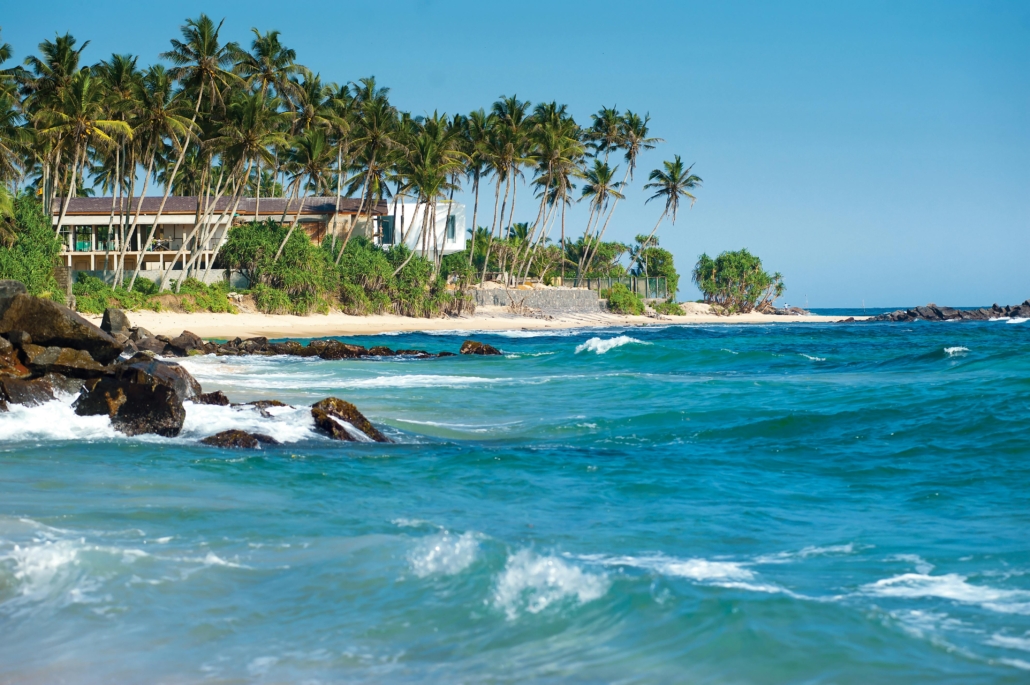
The country shaped like a teardrop has seen many tears shed in recent decades for several reasons, including the recent civil war and the 2004 tsunami.
A stunningly beautiful island, famous for its Ceylon tea, Sri Lanka has had economic turmoil brewing for a while. It has sadly come to boiling point with disastrous consequences. We see the chemical fertilisers ban, unsustainable debt payments for infrastructure projects, the harsh effects of the global pandemic, populist tax cuts and widespread accusations of government misuse of public funds. The country has now defaulted on its international debts for the first time in its history and has held bailout talks with the International Monetary Fund. It needs at least $5bn over the next six months to pay for essential goods like food, fuel and fertiliser.
As in many developing nations, most Sri Lankans survive on very little. While the middle class has been growing significantly over the last couple of decades, the vast majority of the country’s wealth is in the hands of a few. Politically, it is even more skewed with much of the power lying in the hands of a small number, many of those from one family. The brunt of the recent protests have been against them.
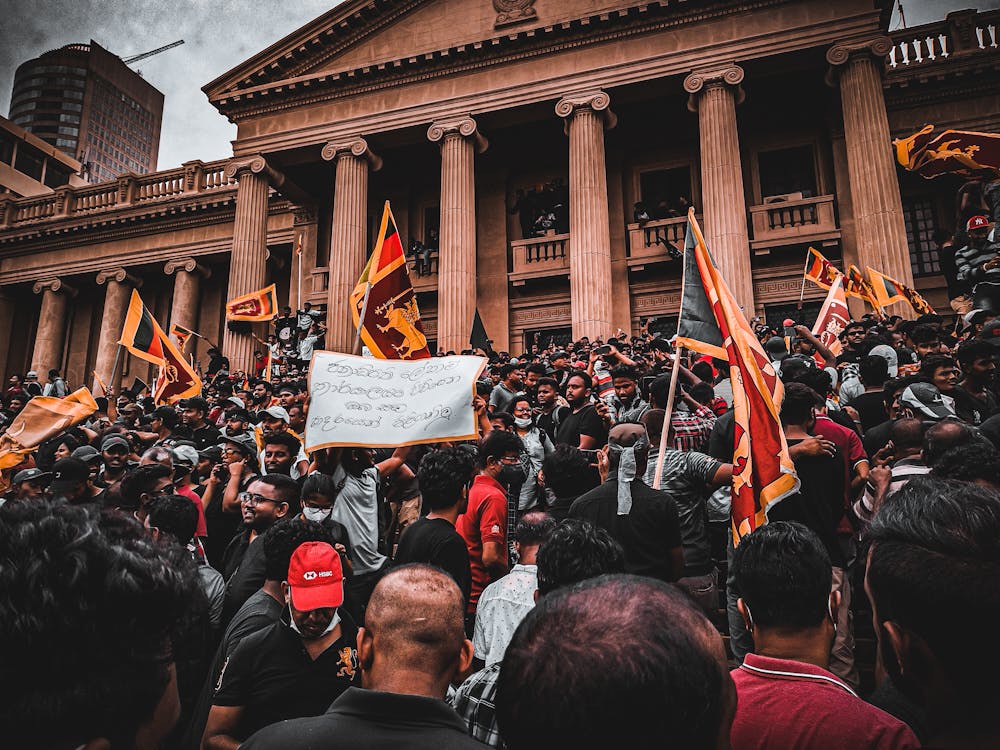
From the very first day of the protests, it has felt like this was Sri Lanka’s ‘Arab spring’ moment. In a country which has often been fragmented along racial, religious and class lines, the protests have been a symbol of unity. Lawyers, students, farmers and heads of religious institutions have been marching together in the pursuit of change as supermarket shelves have dried up, power cuts have become daily and queues for fuel extend for hours. Their pursuit has been relentless too, exemplified by the Galle Face beach, famous for beach parties, which has been transformed into a 24/7 gathering place for the protestors.
At the time of writing, eight people have died and over 200 have been injured from the protests, while politicians have been resigning en masse. Trust between the politicians and the population has been severely eroded.
Rebuilding this trust is no easy task but essential. Danny Lee Silk, author of the excellent book Culture of Honour said recently in a blog article that “the development of trust comes from the exchange of truth”. Truth has to be exchanged between the politicians and the people but the level of disillusionment in Sri Lanka can make it seem like there will never be trust in politicians again. When the people feel so badly let down, reconciliation can feel like a step too far to take.
But the story of Joseph in Genesis 42–43 shows how it is possible to reconcile successfully with those we feel wronged by, in this case his brothers. He had every reason to choose not to forgive and not to heal and he had the authority to administer revenge against his brothers. His act of forgiveness was multi-layered – he didn’t hold anything against them, he blessed them, made sure others didn’t know about what they had done and actively sought to bring them closer to him.
If we have ever had our trust in someone betrayed, it takes work and the exchanging of truth and love to rebuild and reconcile. As Christians, we are hope-filled people but our role to bring reconciliation and rebuild trust can often feel unachievable when we see the sheer scale and deep-rooted and complex nature of the problem.
In such times, we can undermine and underestimate the power of our own prayers. But as Charles Spurgeon said, prayer is the slender nerve that moves the muscle of omnipotence. When we look at it that way, we have the opportunity and the responsibility to leverage our earnest prayers to change despairing situations, even from afar.
Dayalan joined the Evangelical Alliance’s South Asian Forum team in 2018 to help oversee events and new resources. He serves now as the forum’s National Coordinator, organising cross-cultural mission training events to help churches reach out to those of other faiths. He also facilitates relationship building and joint mission among South Asian churches, and helps them integrate into the wider UK church.


